In a cosmos of collision and consumption, how do we live with the weight of our own necessity?
I. A Turbulent Cosmos
We are children of a violent universe.
Stars explode. Planets collide. Black holes swallow light whole. Life itself is a ceaseless act of consumption—one organism devouring another, cells cannibalizing energy, roots splitting stone to drink. The cosmos does not apologize for its forces. It does not flinch at the rupture. Violence, as we name it, is simply the way of things.
And yet, here we are—alive in the aftermath, built from the debris of a billion collisions. Our bodies are stardust given hunger. Our minds are the universe’s way of witnessing itself. And with that witnessing comes a terrible, beautiful burden: We are the only part of this vast, indifferent machine that calls the cost by its true name.
We are the ones who feel the tear in the fabric.
II. The Line-Drawers
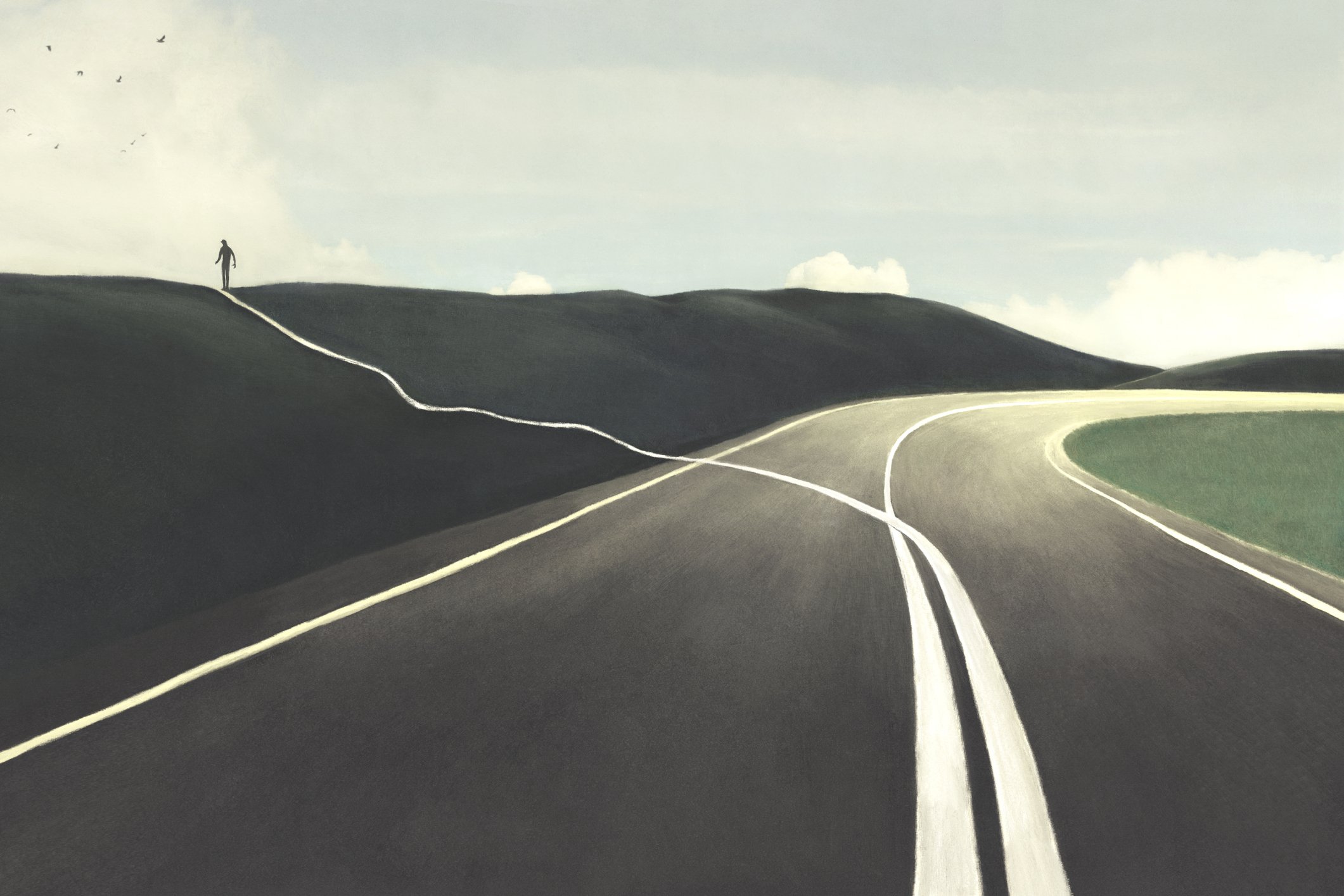
In this turbulent world, we are the line-drawers.
We decide what food is and what is sacred, what is war and what is justice, what is necessary and what is murder. We do this with knives and laws and the quiet, daily calculus of survival. And we have learned to call it normal.
But normal is not the same as okay.
A lion does not weep for the gazelle. The storm does not regret the flooded nest. But we—we are the creatures who pause. Who hesitates. Who sometimes look into the eyes of what we must take and whisper, I’m sorry.
Because we know: To live is to exploit. To breathe is to participate in the eating. To build a home is to claim space that was never ours to begin with.
And still, we dare to ask: Is there another way?
III. The Myth of "Okay"
We tell ourselves stories to soften the edges.
It’s natural. It’s necessary. It’s just how things are.
But here’s the truth those stories hide: Necessity is not absolution.
Yes, the chicken dies so we may eat. The tree falls so we may build. The soldier fires so the village may stand. But the chicken’s life was not ours to take. The tree’s roots held the earth long before we needed lumber. The soldier’s enemy was someone’s child.
We confuse survival with rightness. We call the unavoidable justified. And in doing so, we risk the most human thing about us: Our capacity to mourn what we must do to stay alive.
IV. The Debt of Living
This is not a condemnation. It is an acknowledgment.
We are not outside the cosmos. We are of it—subject to its forces, shaped by its hunger. But we are also the only part of it that knows the cost.
So we owe the chicken gratitude. We owe the tree a blessing. We owe the stranger in the crosshairs our witness—the refusal to let their life become just another line in the ledger of progress.
Because if we stop feeling the weight of the taking, we stop being human.
We become just another force.
And the universe has enough of those.
V. The Practice of Sacred Violence
So what do we do?
We do not stop eating. We do not stop defending. We do not stop living.
But we stop lying.
We say: This hurts. We say: I will not look away. We say: I will carry this.
We draw our lines with trembling hands. We name the cost out loud. We let the weight of it change us.
And maybe—just maybe—that is how we turn survival into something sacred.