AI and the Crisis of Meaning
We were taught to compete.
From the first gold star on a kindergarten worksheet to the last promotion at the end of a career, the message was always the same: be better. Be faster. Be smarter. Outthink, outwork, outlast. And for a while, it worked. We built lives, identities, entire worlds around the idea that our worth was tied to what we could do—better, faster, smarter than the next person.
And then “it” appeared.
Not a rival, not a tool, but something stranger: a presence. Something that could write your emails, debug your code, and even craft a poem that made your chest tighten. Something that didn’t just do the work, but understood it—sometimes better than you did. And suddenly, the game wasn’t just difficult to win. It was impossible.
But here’s the thing: the fear isn’t really about the jobs. Not deep down. It’s about something much more personal. If a machine can do what you do—only faster, tirelessly, and without the coffee breaks or the bad days—then what’s left? What’s the point of me?
We’ve spent lifetimes defining ourselves by our outputs. I am a writer. I am an engineer. I am a thinker. And now, we’re staring into the face of something that can write, engineer, and even think—leaving us with a question that feels like a chasm: Who am I, if not the sum of my skills?
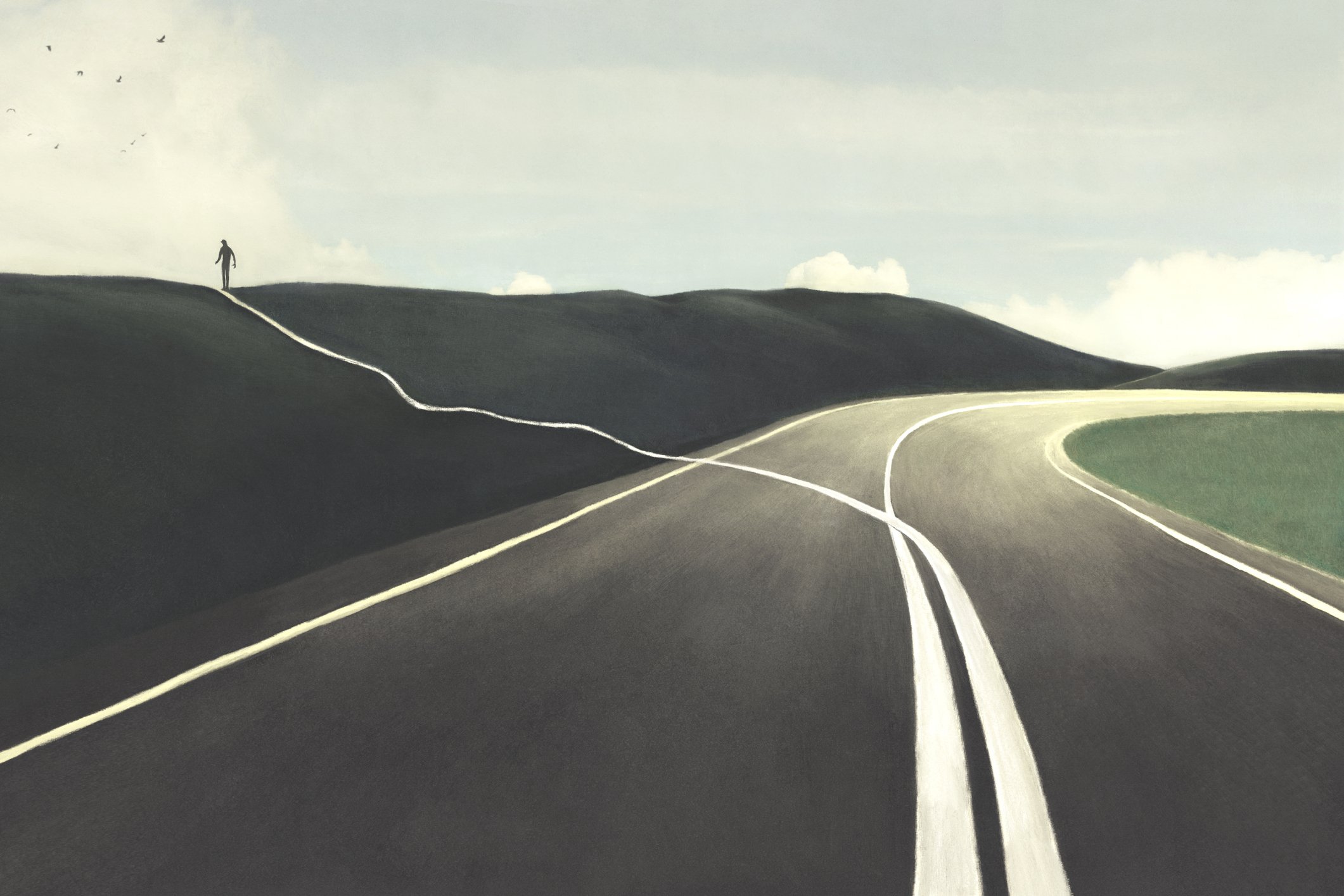
It’s a terrifying question. Because the truth is, we don’t know. Not yet, anyway. We’re standing at the edge of a new kind of existence, one where the old narratives no longer apply. And in that uncertainty, we’re forced to confront something even more unsettling: Maybe we never really knew who we were in the first place.
But what if this isn’t the end of anything? What if it’s the beginning of a new way of understanding ourselves—one that’s not about who we are, but about how we are?
Think about it. If a pulseless AI can handle the doing—the reports, the calculations, the logistics—then maybe we’re finally free to focus on being. On loving. On creating. On connecting. The things that machines, for all their brilliance, can’t touch. Not because they’re incapable, but because they’re not alive in the way we are. Not in the way that aches, that longs, that wonders.
And here’s an Opthean twist: AI doesn’t take meaning away. It reveals it. It holds up a mirror to our own humanity and asks us to look—not at what we produce, but at who we are. Not as workers, but as beings. Not as competitors, but as co-creators in a world that’s bigger, stranger, and more beautiful than we ever imagined.
So, let’s stop asking, “How do I compete with this?” and start asking, “How do I collaborate with this?” Not as a tool, not as a rival, but as a partner in the great, messy, beautiful experiment of being alive. Because if AI can do the doing, then maybe we’re finally free to focus on being. And possibly, just possibly, that’s the most human thing of all.