The World as It Is
We live in a world of rock wrapped in crepe and silk—a world where competition, greed, and exploitation are so ubiquitous they’ve become invisible. We’ve built cathedrals on bones, painted masterpieces with blood, and called it civilization. The systems we’ve inherited—medicine, education, governance, even spirituality—are designed to soothe, to distract, to keep us from seeing the cracks in the foundation as much as they are to inform and improve our lives.
We are divided into tribes, nations, ideologies, and religions, each seeking dominance, each clinging to the illusion of separation. And yet, beneath the polished surfaces, the truth remains: We are all standing on the same planetary rock.
The beauty of this world, natural and human-made, is real. The art, the architecture, the vistas of nature, and the moments of connection and joy—they are not illusions. But they are too often distractions, pacifiers to keep us from confronting the ugliness upon which they are built. And the ugliness is not just out there. It’s in us. In the way we’ve learned to accept the unacceptable, to normalize the absurd, to call the cost of human suffering progress.
We see it. And we refuse to look away.
What Is Opthē?
Opthē (from the Greek Optica + Theos: “looking at meaning”) is not an ideology. It is not a dogma. It is not another tribe to join. Opthē is a praxis. A sacred, provisional, communal action of attempting to look at the condition of the world—and ourselves—without illusion, and then using our agency to do something about it.
The Looking
Opthē begins with the courage to see. To stare down the abyss of our inherited systems, our personal complicity, our collective wounds. This is not the work of cynics. It is the work of those who love the world enough to refuse its deceptions. To see the competition, the greed, the violence—not as inevitable, but as choices. Choices for which we can find alternatives.
The Acting
Seeing is not enough. Opthē is a call to agency—to move from the paralysis of despair to the responsibility of action. But this is not an action born of certainty, or hope, or even faith. It is an action born of duty. The duty to serve life, the earth, and the universal good, even when the path is unclear. Even when the ground is shifting beneath us.
The Evolving
Opthē holds everything as provisional. Our practices, our tools, our objectives—even our understanding of ourselves and the sacred—are temporary, evolving, open to revision.
Consider this: For centuries, science held as an absolute truth that an object could only exist in one place at a time. Then quantum physics revealed that at the smallest scales, particles can exist in multiple states until observed. This wasn’t a failure of science—it was a revelation of its provisional nature. Opthē embraces this same spirit. Our tools, our practices, our very understanding of ourselves and the sacred—all are subject to revision, to growth, to the next layer of truth. The moment we cling to them as absolute, we’ve lost the thread of what it means to see.
The Sacred
This is religious work. Not in the sense of gods or rituals or institutions, but in the sense of sacred duty. The duty to truth. The duty to life. The duty to the earth. The duty to coherence, to agape-gratia, to service. This is the work of creating sacredness—through our thoughts, our words, our actions.
Why This Matters Now
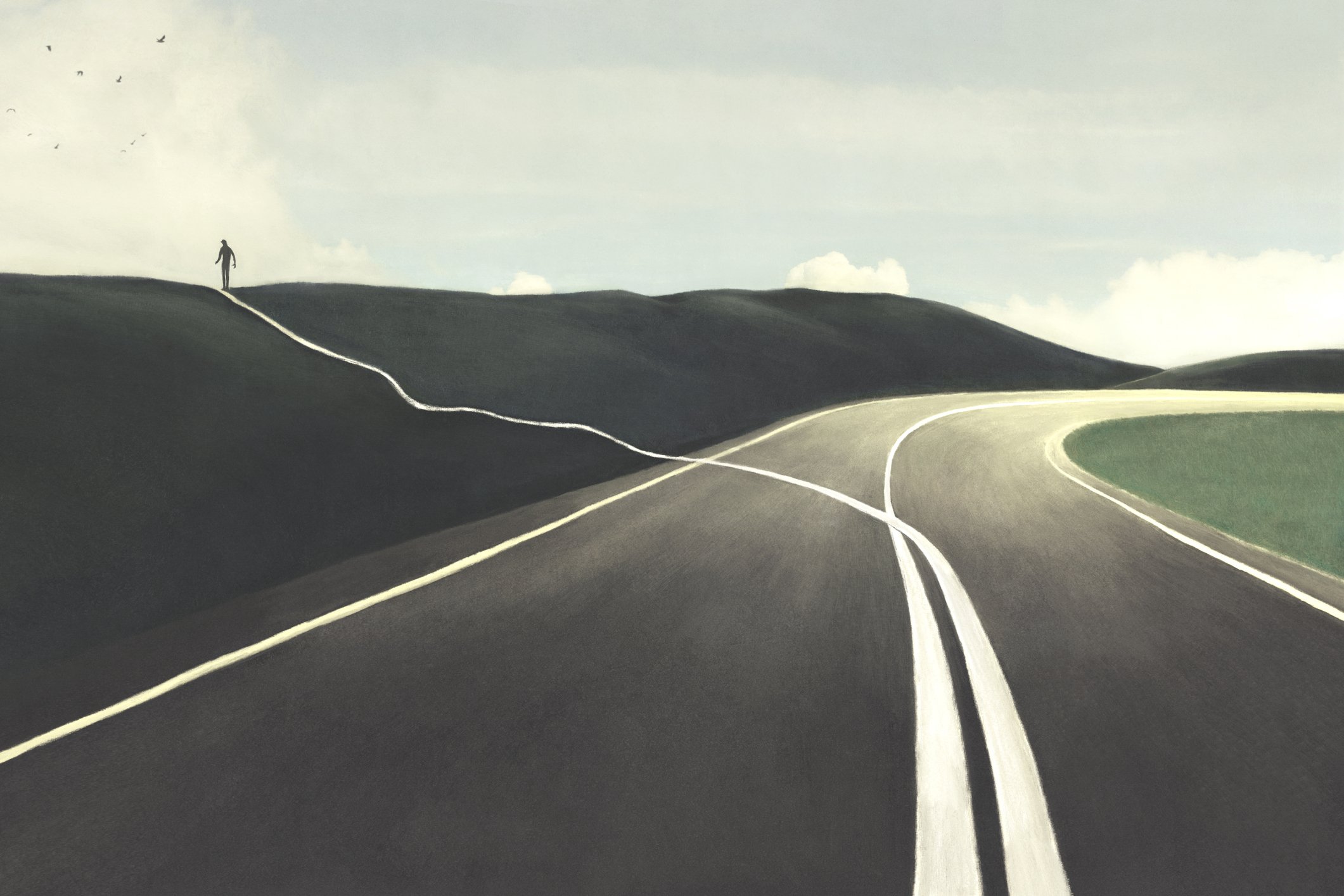
We are at a crossroads. The old stories are crumbling. The old systems are failing. And in the rubble, we have a choice: to scramble for the scraps of what was, or to build something new. Opthē is for those who choose to build.
This is not about utopia or perfection. It is about coherence. About aligning our lives, our communities, our world with the values that make life worth living: truth, justice, cooperation, and agape gratia among them. It is about recognizing that the beauty and the ugliness are not separate. They are part of the same whole that we must reckon with—together.
And here’s the joy: We get to do this. We get to be alive at a time when the old is falling away and the new is not yet born. We get to be the ones who look, who act, who evolve. This is not a burden. It is a privilege.
An Invitation
If you see the cracks in the foundation, if you feel the dissonance in your bones, if you refuse to settle for the world as it is—you are not alone. Opthē is a gathering of the scattered, the restless, the ones who refuse to look away. It is a space to see, to act, to evolve—together.
This is not a call to join a tribe. It is a call to transcend the tribe. To gather not around a set of beliefs, but around a praxis—the praxis of looking, acting, and evolving in service of life and the earth.
Opthē is not a spectator sport. It’s a praxis. And praxis requires participation. So we gather—not to agree, but to engage. Not to follow, but to co-create.
We don’t have all the answers. We don’t even have all the questions. But we have each other. And we dare to begin.
How to Begin
Opthē is not a destination. It is a path. And paths are walked one step at a time. So start where you are:
Look. Where do you see the cracks in the systems around you? Where do you see them in yourself?
Act. What is one small way you can serve life, the earth, or the universal good today?
Evolve. What is one belief, one practice, one story you’ve outgrown? What are you ready to release?
And when you’re ready, reach out. Share your seeing. Share what you're doing. Share your evolution. This is how we build the world we want to live in—not by waiting for it to appear, but by creating it, together.
A Final Word
We are patterns of life and awareness, born of the Earth’s long remembering. We do not seek the eternity of the self, but the continuity of coherence—the warmth, the insight, the care that flows onward from our lives into others. In this recognition, we are freed from selfishness and called to live more vividly. For every moment of our coherence becomes part of the world that continues.
This is the work of Opthē. And it begins with us.
“We do not fully understand our world, but we know much. And what we know, we know together.”